

 Nairobi, Kenya
Household Appliance Factory
Project Overview
Frequent grid outages and unstable utility power have long troubled manufacturing facilities across Kenya. Household appliance factories, in particular, require continuous and reliable power to avoid production downtime and equipment loss. To address unreliable grid power, reduce diesel consumption, and achieve environmentally friendly manufacturing, this local appliance factory implemented an on/off-grid hybrid PV and energy storage system, enabling stable power supply, emergency backup, and greener daily operations.
Core Challenges
-
Frequent power blackouts and unstable grid supply causing production shutdowns
-
High operational expenditure from long-term diesel generator dependency
-
Expensive grid electricity during peak demand periods
-
Growing demand to meet green factory and low-carbon production standards
Customized PV & ESS Solution
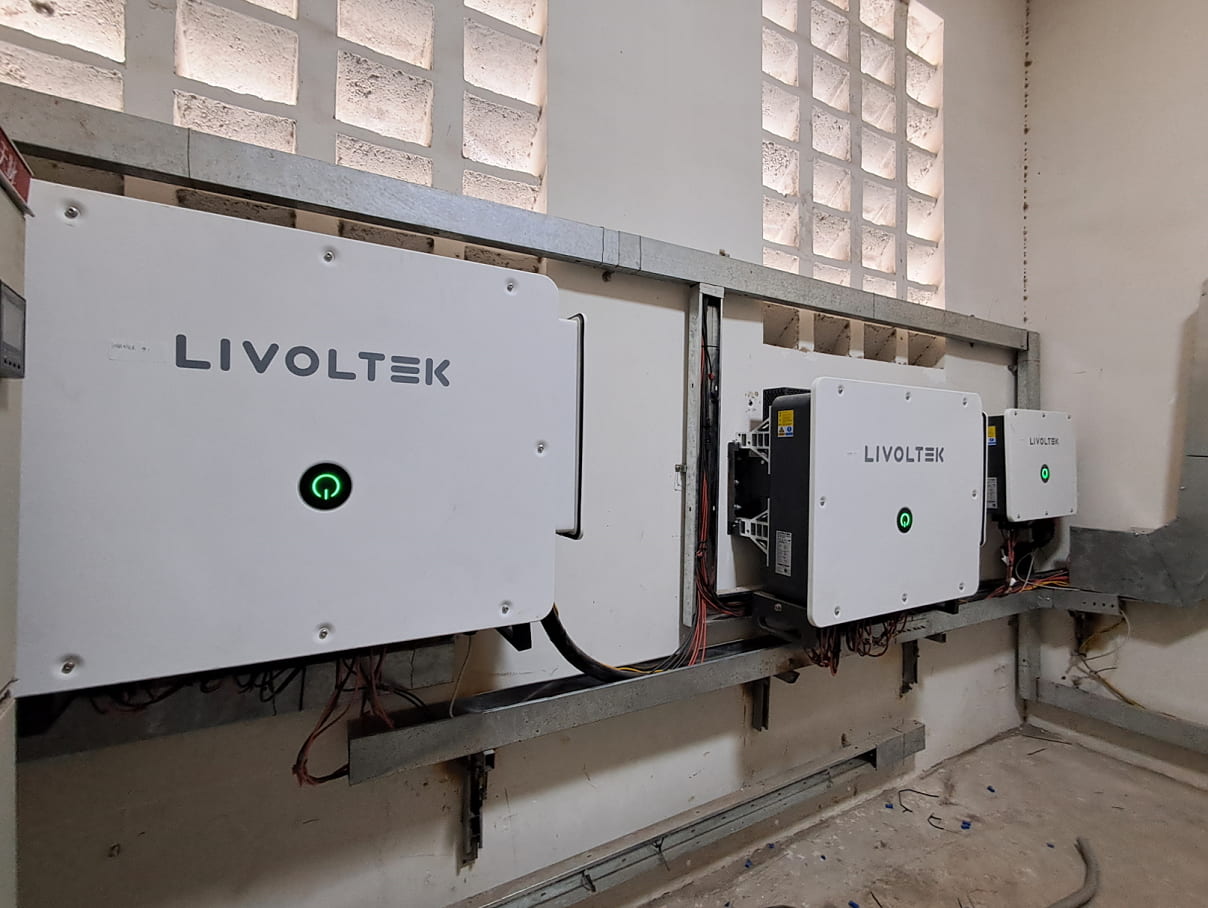
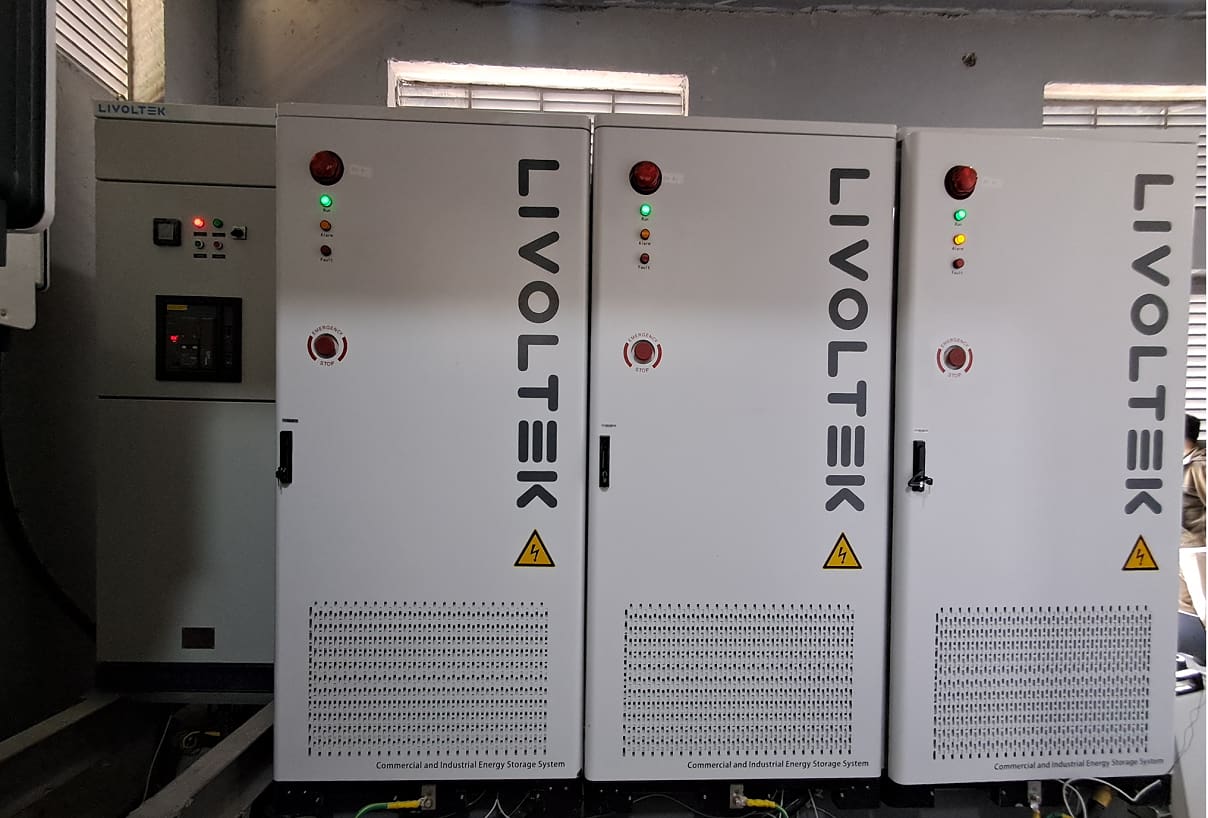
The project adopts an advanced on/off-grid hybrid energy solution tailored for industrial manufacturing scenarios. It integrates a 583kWp photovoltaic system with a 530kW / 783kWh energy storage system to support dual operation modes, meeting both daily power consumption and emergency backup demands.
The system deploys multiple high-efficiency grid-tied inverter models, including:
-
4 × GT3-125K (125kW each)
-
1 × GT3-30K (30kW)
These are matched with 3 × BES-P125X261E modular energy storage cabinets. The hybrid architecture allows seamless switching between on-grid and off-grid modes to safeguard critical production loads at all times.
Project Configuration
| Parameter | Specification |
|---|---|
| System Capacity | 583kWp PV / 530kW Inverter / 783kWh ESS |
| Core Products | GT3-30K, GT3-125K, BES-P125X261E |
| Device List | 4 × GT3-125K, 1 × GT3-30K, 3 × BES-P125X261E |
| Operation Mode | On-grid & off-grid hybrid |
| Key Functions | Self-consumption, diesel generator reduction, emergency backup power |
Key Benefits
-
Uninterrupted Production – Instant off-grid backup power prevents downtime caused by grid blackouts
-
Higher PV Self-Consumption – Maximize on-site solar power utilization to reduce grid purchases
-
Diesel Reduction – Dramatically minimize diesel generator runtime and associated fuel costs
-
OPEX Saving – Effectively reduce overall electricity and maintenance operating expenses
-
Green Manufacturing – Help the factory achieve low-carbon goals and meet sustainable green factory standards