

 Vietnam
Seafood Factory
Project Overview
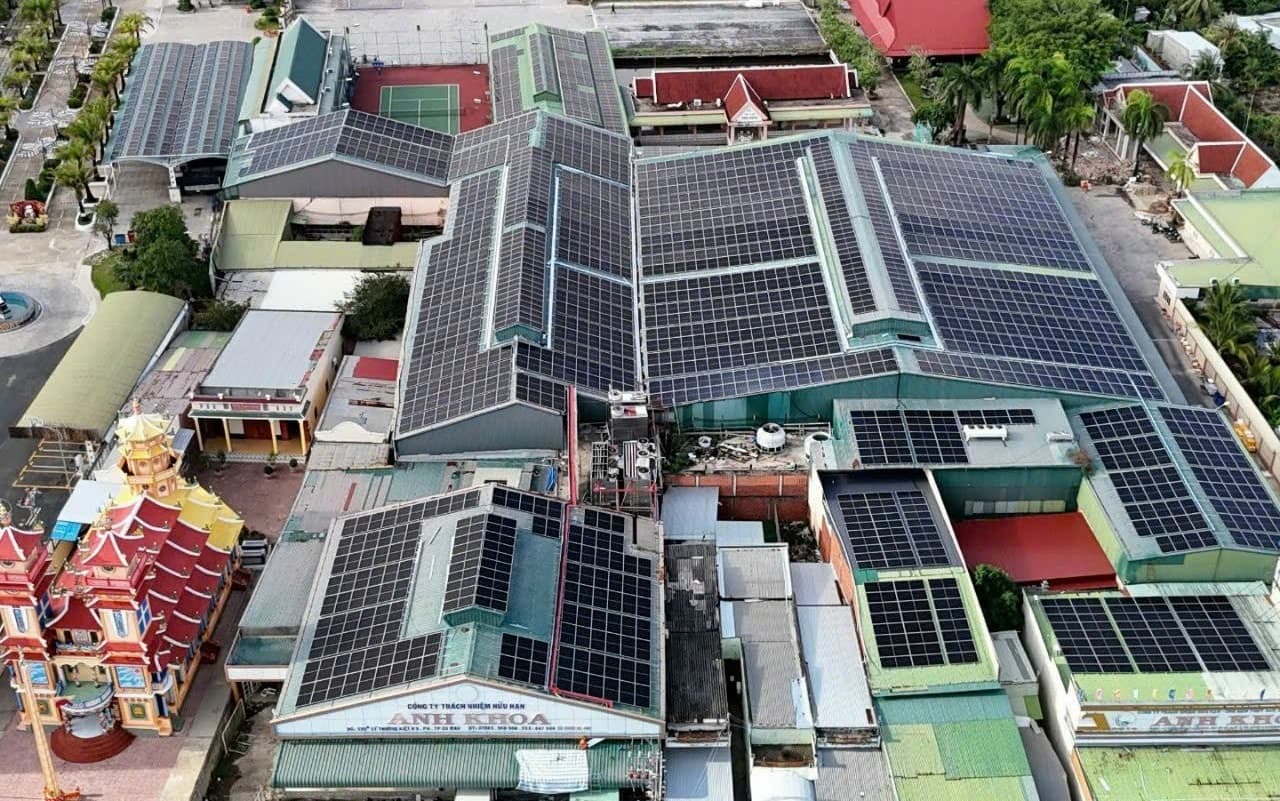
Seafood processing requires an uninterrupted power supply to maintain refrigeration systems, production lines, and product quality. Grid instability and expensive utility tariffs have become major challenges for seafood manufacturers in Vietnam. To stabilize power supply, reduce energy expenses, and maximize renewable energy utilization, Anh Khoa Seafood Factory implemented a large-scale rooftop solar PV system with zero-export control to support daily production loads.
Core Challenges
-
Unexpected grid outages risking production loss and damaged refrigerated inventory
-
High electricity costs due to continuous 24/7 processing and refrigeration operations
-
Strict local grid regulations prohibiting surplus power feed-in to the public grid
-
Low self-consumption rate without optimized PV output management
Customized Rooftop PV Solution
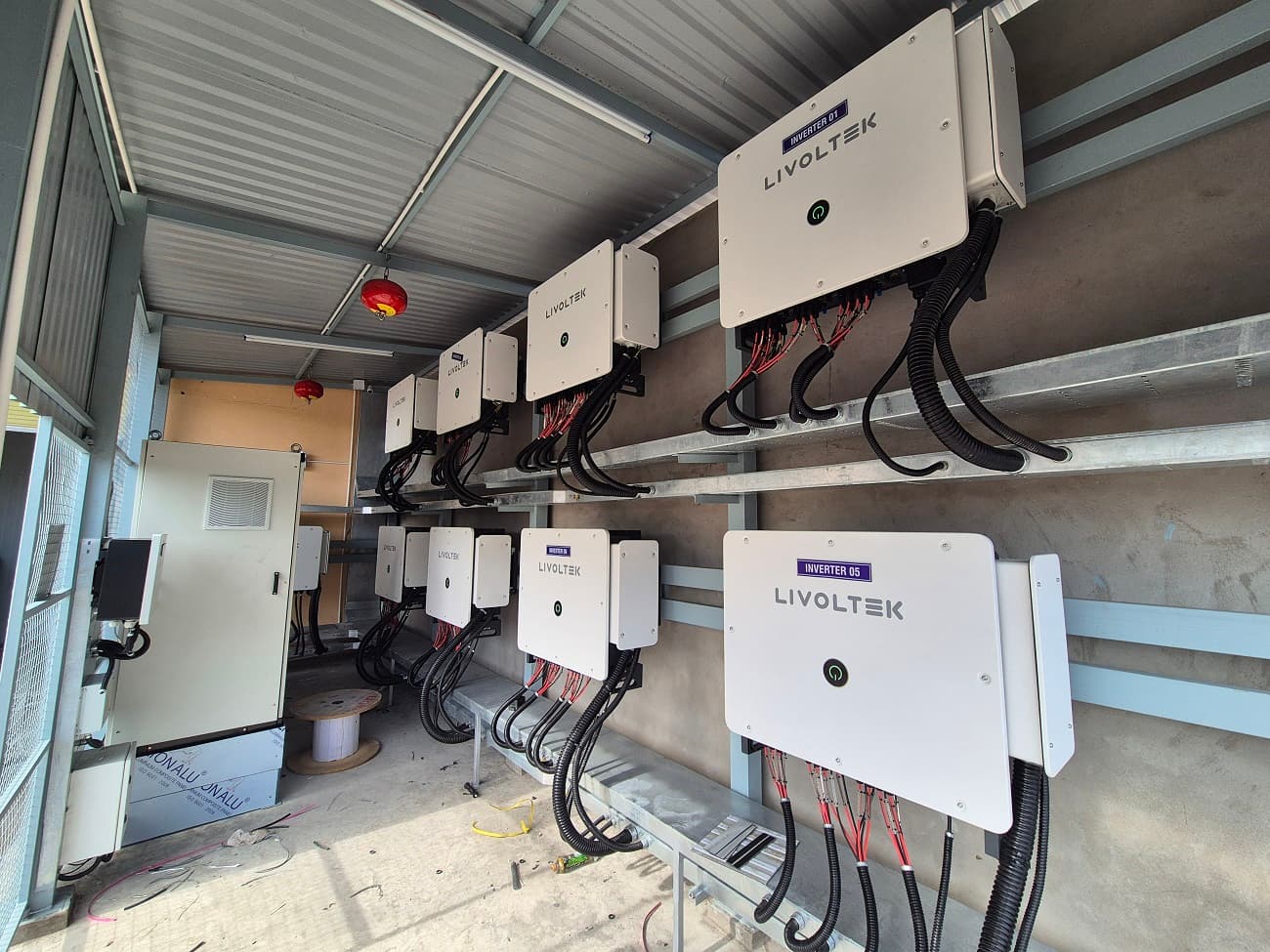
The project features a 1.3MWp rooftop photovoltaic system paired with high-performance GT3-125K grid-tied inverters, reaching a total inverter capacity of 1,125kW. The entire system operates under zero-export mode to fully comply with local grid regulations, ensuring all generated solar power is consumed directly by the on-site seafood production facility.
Supported by intelligent energy monitoring, the PV system delivers stable power backup during unstable grid conditions. The well-configured solar solution consistently generates clean electricity throughout the year and effectively satisfies the factory’s long-term energy demands for food processing and cold storage.
Project Configuration
| Parameter | Specification |
|---|---|
| System Capacity | 1.3MWp PV + 1,125kW inverter |
| Core Product | GT3-125K grid-tied inverter |
| Operation Mode | On-grid with zero-export strategy |
| Annual Generation | 1.5 – 1.7 GWh |
| Average Self-Consumption Rate | 60% |
Key Benefits
-
Stable Power Guarantee – Mitigate the impact of grid outages and secure continuous seafood processing and cold storage operations
-
Zero-Export Compliance – Prevent reverse power feeding and fully satisfy local grid connection policies
-
High Self-Consumption – Achieve a 60% self-use ratio to significantly reduce grid power purchases
-
Energy Cost Reduction – Lower overall electricity spending by replacing expensive grid power with affordable solar energy
-
Grid Load Relief – Reduce peak power dependency and ease pressure on the regional utility grid