


 Nairobi, Kenya
Plastic Production Factory
Project Overview
To help commercial end-users optimize energy consumption, reduce soaring electricity costs, and enhance power supply reliability, this customer deployed a comprehensive solar-plus-storage grid-tied system. The solution integrates a 1,300kWp PV array, 1,125kW grid-tied inverters, and a 1,044kWh energy storage system, delivering a stable, cost-effective distributed energy solution for daily commercial operations.
Core Challenges
Rising and volatile utility electricity prices continuously increase operational expenses.
Unstable grid power disrupts daily production and business continuity.
Heavy reliance on grid power and diesel generators leads to energy waste and higher carbon emissions.
Lack of a flexible backup power strategy to manage peak demand scenarios.
Tailored Solution
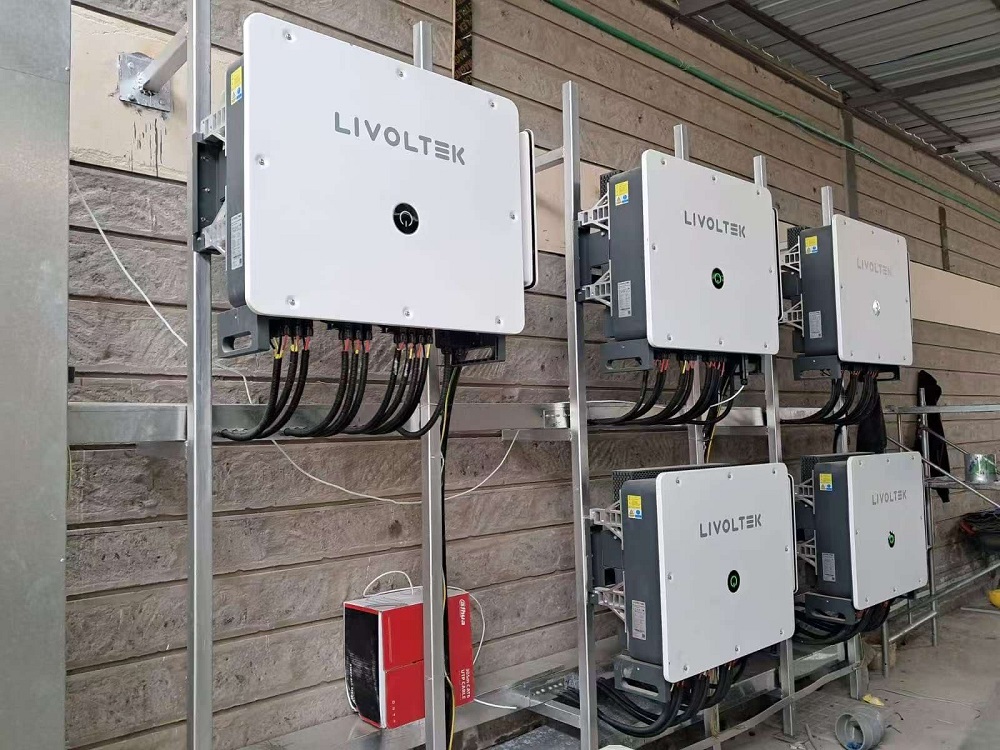
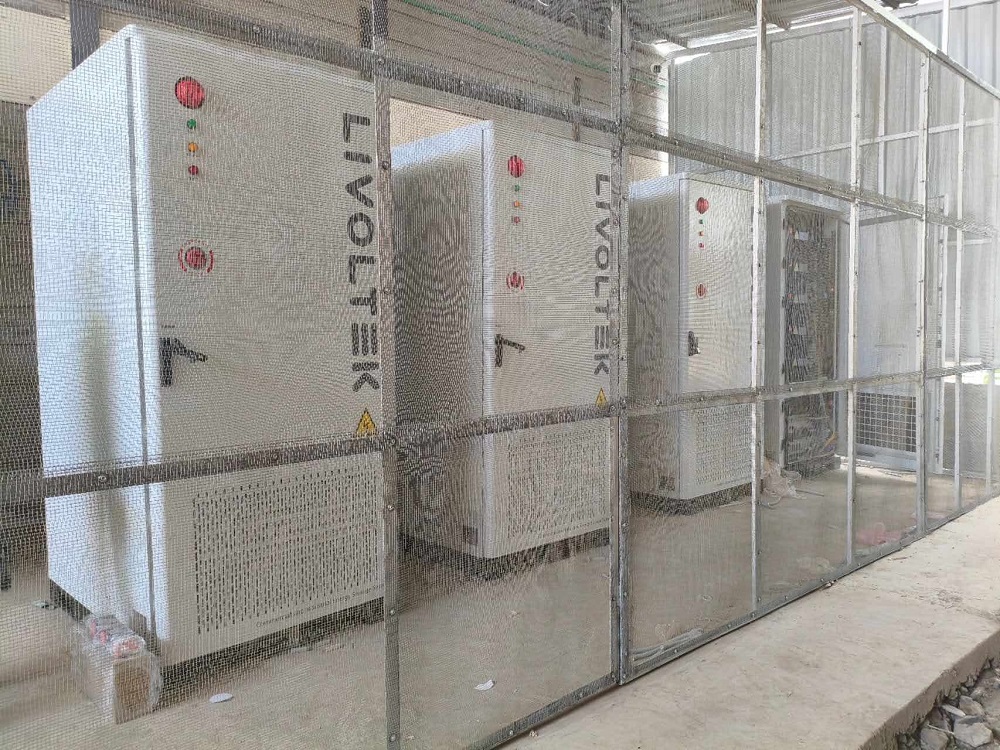
The project adopts a proven grid-tied solar and storage solution, integrating high-performance inverters with modular battery cabinets to enable coordinated scheduling of PV generation, storage charging/discharging, and grid power.
The system includes:
9 × GT3-125K 125kW grid-tied inverters
4 × BES-P125X261E energy storage cabinets (125kW / 261kWh each)
Operating in grid-tied mode, the system supports:
Intelligent peak shaving
High self-consumption of solar power
Emergency backup power
Minimized diesel generator use
It effectively absorbs excess PV energy, reduces grid electricity purchases during peak tariff periods, and lowers diesel generator dependency.
Project Configuration
| Component | Specification |
|---|---|
| PV Capacity | 1,300 kWp |
| Inverter Capacity | 1,125 kW (9 × 125kW) |
| ESS Capacity | 1,044 kWh (4 × 125kW/261kWh) |
| Operation Mode | Grid-tied |
Key Benefits
Cost Optimization – Cuts grid power consumption by 30–40%, saving approximately $312,000 annually on electricity bills.
High Self-Consumption – Maximizes on-site PV utilization, reducing grid dependency.
Diesel Reduction – Significantly lowers diesel generator runtime and associated fuel/maintenance costs.
Power Security – Provides reliable emergency backup power, preventing downtime from grid failures.
Sustainable Development – Accelerates carbon reduction and supports the customer’s green energy transition goals.