Blog
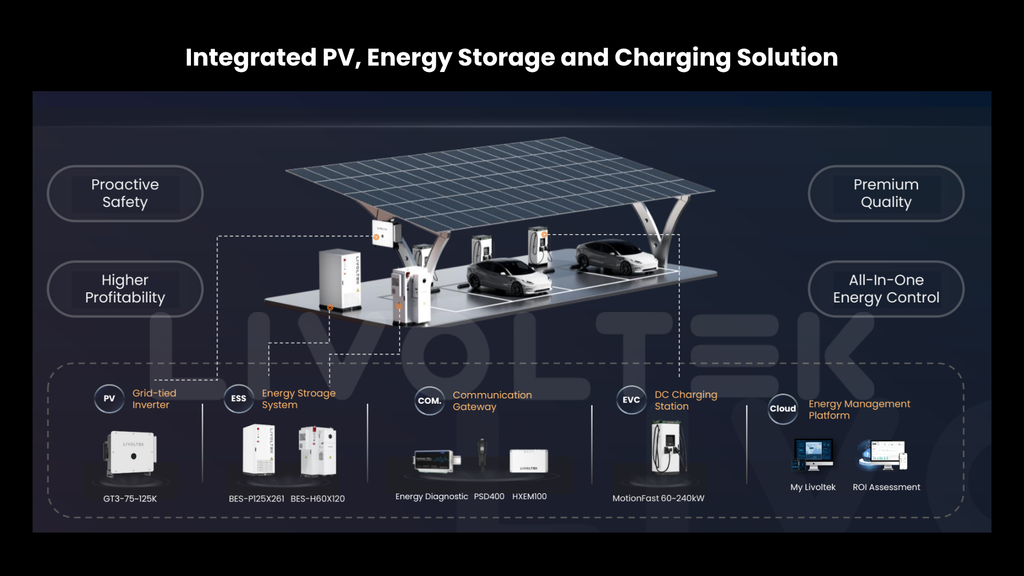
The business case for an EV charging station depends on more than the price of each kilowatt-hour. Solar, battery storage and intelligent control can help operators manage the costs that are often hidden behind the electricity bill.
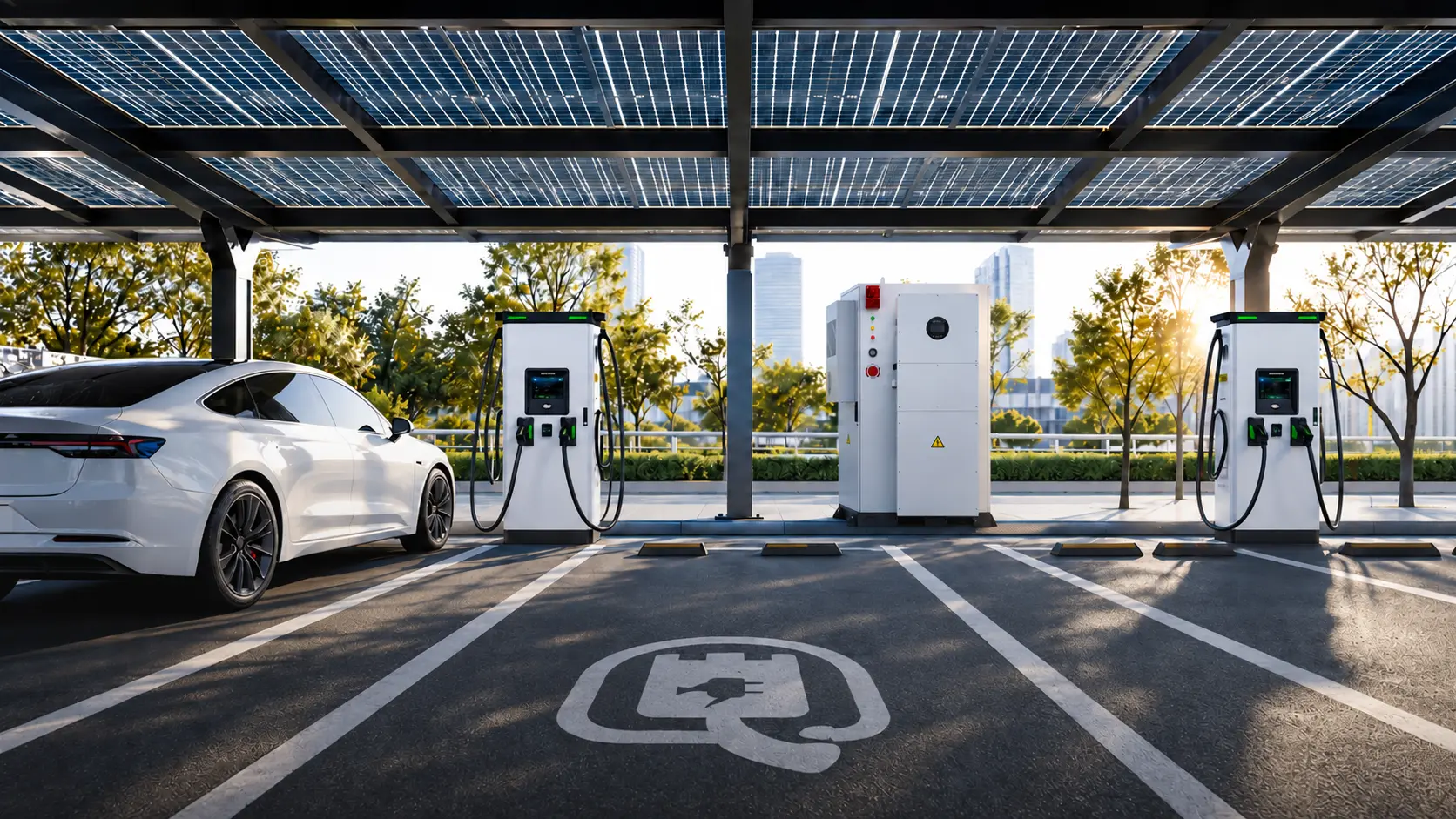
As electric vehicle charging sites grow, installing more chargers is only part of the challenge. Operators must also confirm that the site has enough electrical capacity, control peak demand, use renewable energy effectively and coordinate equipment from different energy subsystems.
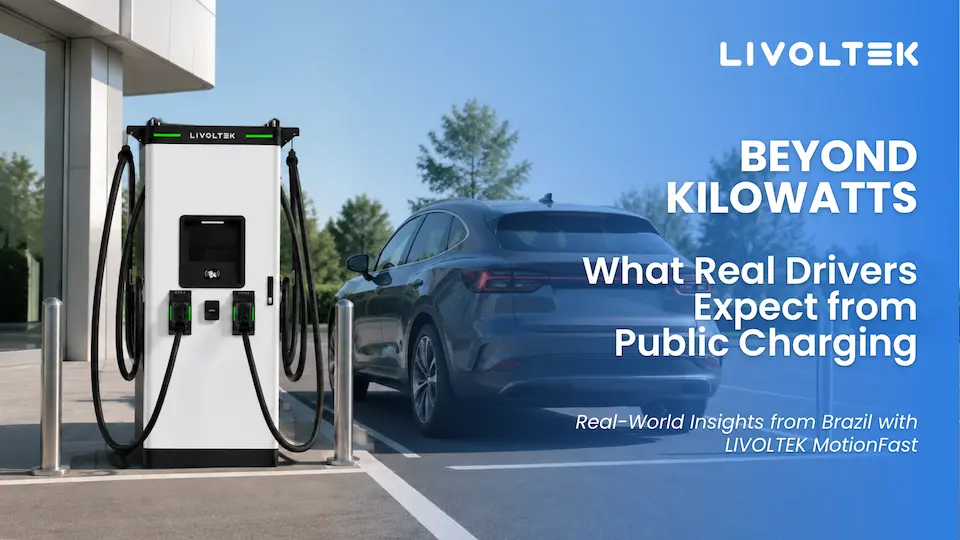
Real-world feedback from public charging sites equipped with LIVOLTEK MotionFast in Brazil offers a useful perspective. It shows what drivers value, what creates frustration, and what public charging infrastructure must deliver as electric mobility expands worldwide.
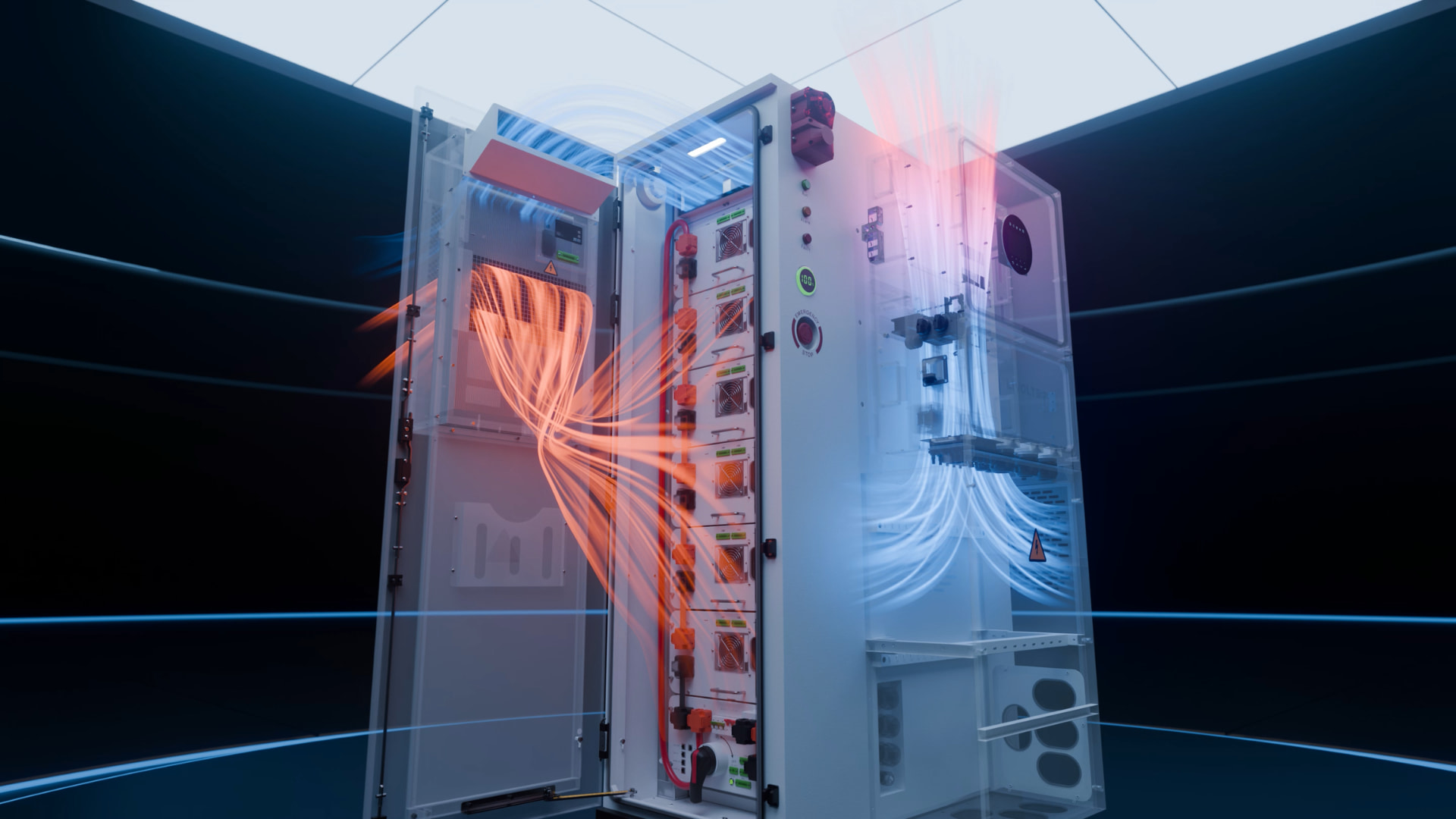
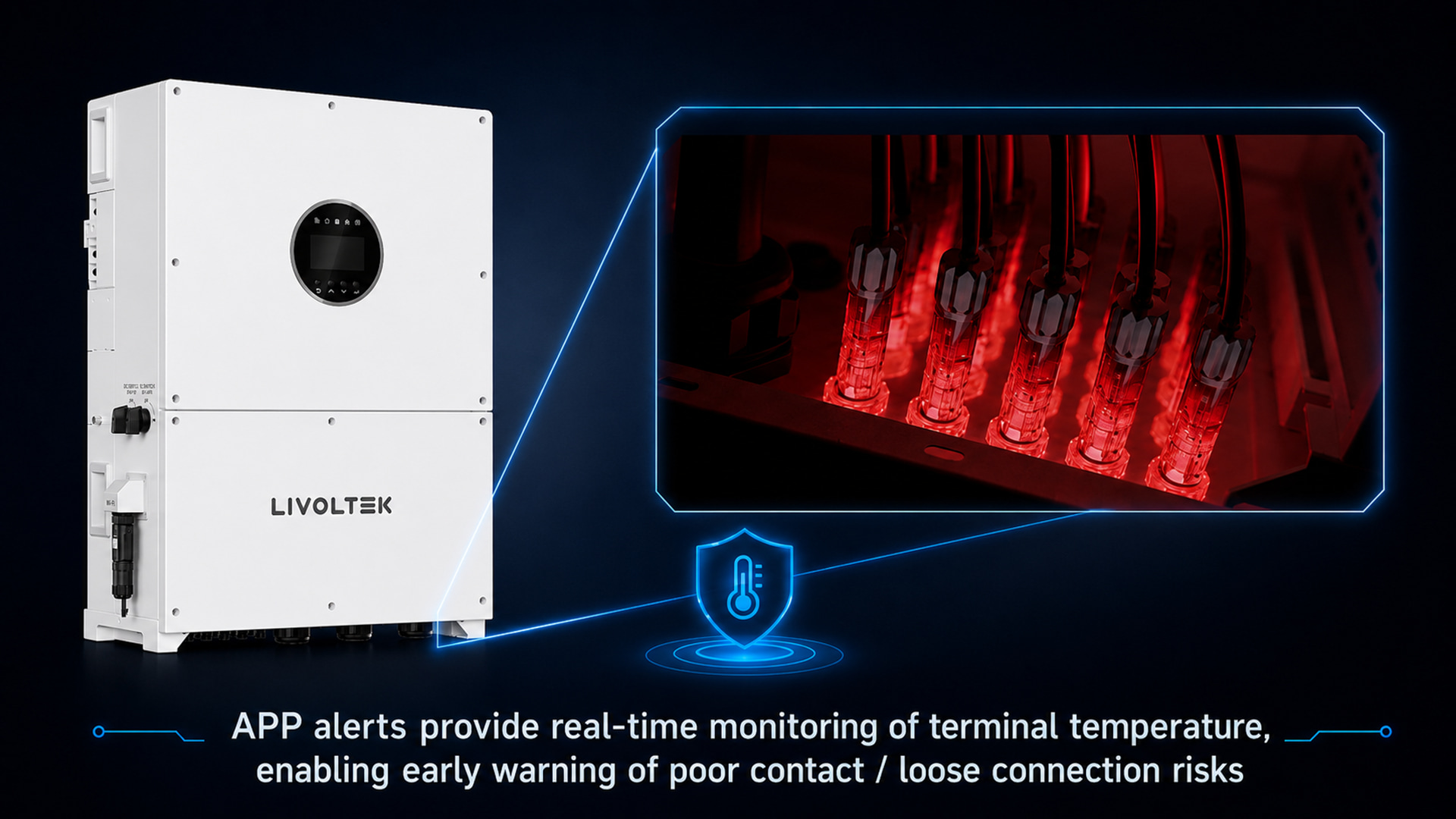
Livoltek LuminBlock H Series detects PV terminal over-temperature early to reduce DC-side risks, ensuring safer C&I PV-ESS systems with proactive thermal monitoring.
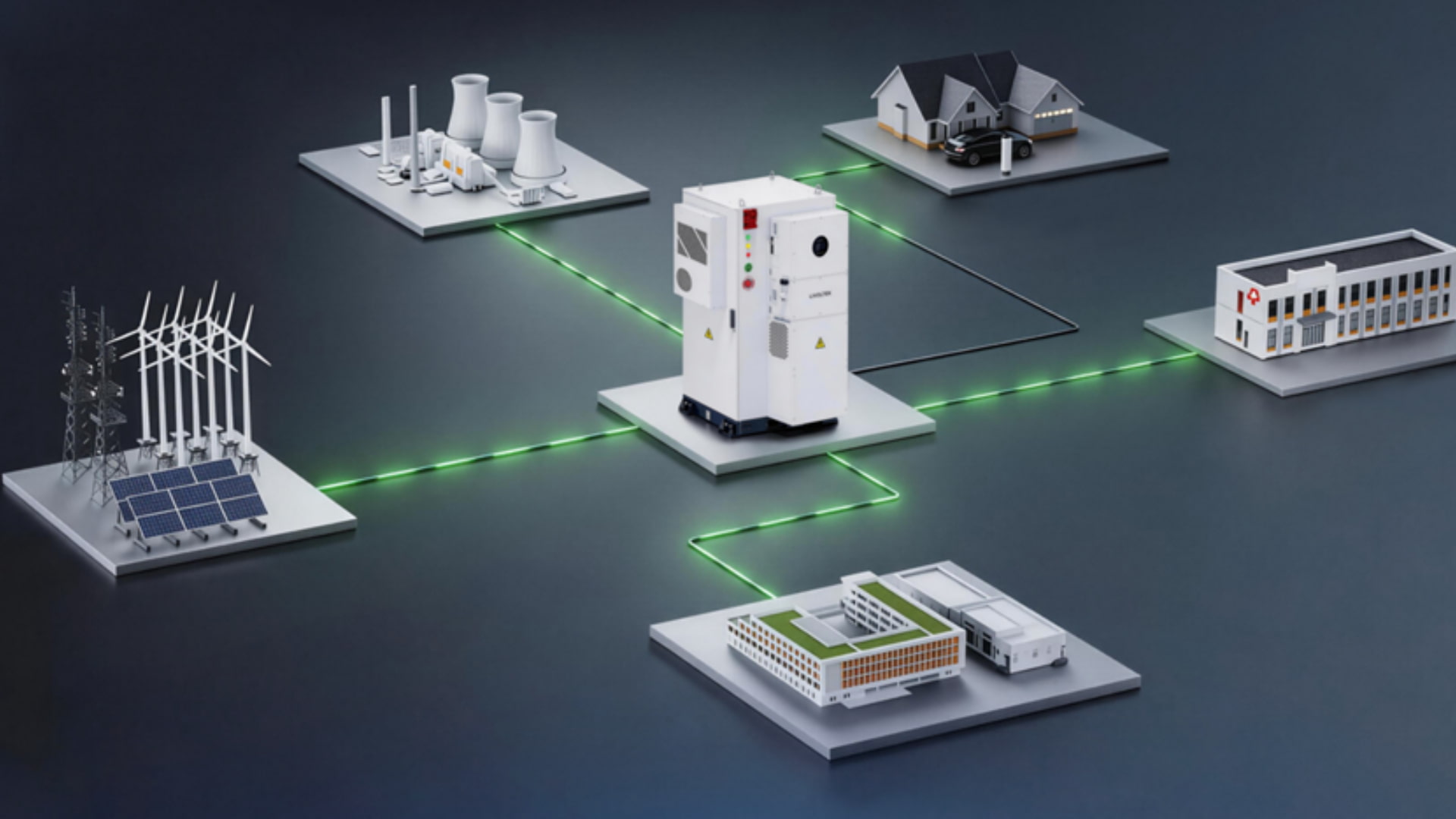
As solar PV and energy storage are rapidly expanding into C&I parks, factory rooftops, charging stations, farms, supermarkets, and other small and medium-sized C&I scenarios, C&I energy storage systems are becoming an important solution for enterprises to increase self-consumption, reduce electricity costs, and enhance power supply continuity.
The high-temperature stability of commercial and industrial energy storage systems directly determines PV returns, battery lifespan, and overall project safety. In summer, rooftop PV systems and industrial parks are often exposed to a combination of high ambient temperatures, strong solar irradiance, and high-load operating conditions. In many cases, peak PV generation fully overlaps with extreme temperature periods of 40–45°C.