

As solar PV and energy storage are rapidly expanding into C&I parks, factory rooftops, charging stations, farms, supermarkets, and other small and medium-sized C&I scenarios, C&I energy storage systems are becoming an important solution for enterprises to increase self-consumption, reduce electricity costs, and enhance power supply continuity.
However, while integrated PV and energy storage systems deliver greater energy value, they also place higher requirements on DC-side safety.
DC-side components are among the key sources of risk in PV systems. Relevant industry inspection data suggests that over 70% of PV system issues may occur in the DC section. BRE’s investigation into PV fire incidents in the UK also shows that DC isolators were the largest single fire-risk source in its incident database, accounting for approximately 30% of recorded incidents.
Therefore, early identification, warning, and rapid isolation of DC-side abnormalities are critical to improving the safety of PV and energy storage systems.
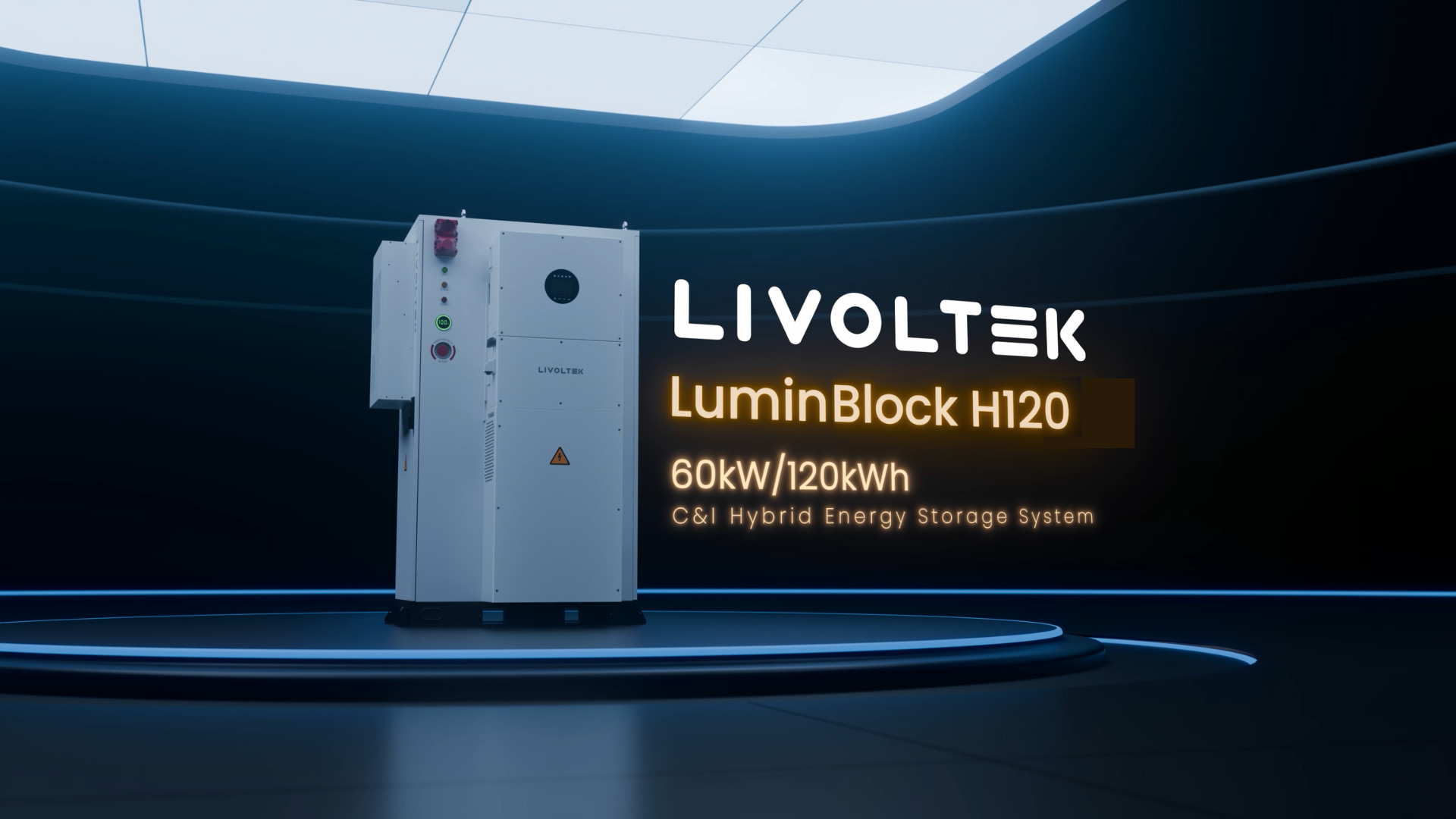
To address this, LIVOLTEK has integrated active safety capabilities previously more commonly used in utility-scale ground-mounted power plants into the LuminBlock H Series C&I Hybrid Energy Storage System. Through Intelligent String-level Disconnection, multi-layer protection, and online monitoring, the system helps contain DC-side risks within a smaller scope.
DC-side Safety Cannot Rely Only on Passive Protection
In traditional systems, AC-side protection is already relatively mature. Circuit breakers, protection relays, and grid-connection protection mechanisms can respond quickly to faults such as short circuits and overcurrent.
However, PV DC-side faults are more hidden and more difficult to handle. DC fault current may not always be high enough for traditional fuses or switches to operate reliably at an early stage. At the same time, DC arcs are difficult to extinguish naturally. Poor contact, loose terminals, aging connectors, or cable insulation damage may all lead to continuous heat build-up and potential fire hazards.
For small and medium-sized C&I energy storage projects, systems are often deployed near factories, industrial parks, commercial buildings, or charging stations, closer to loads and areas of personnel activity. Therefore, safety design should not remain limited to passive response after an accident occurs. It needs to identify, warn, and isolate faults at an early stage.
Intelligent String-level Disconnection: Limiting Risk to a Smaller Scope
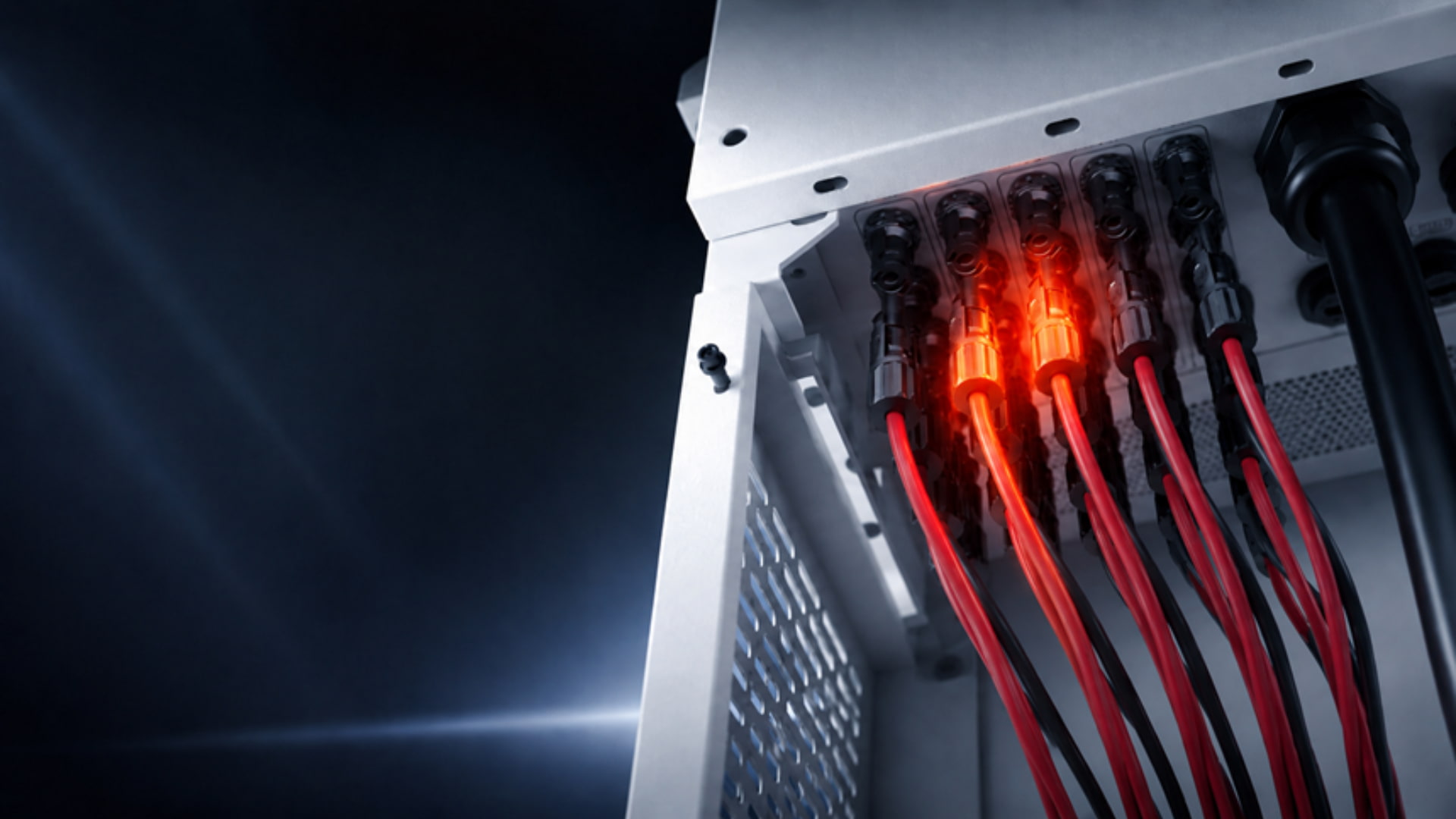
The core objective of the Intelligent String-level Disconnection technology in the LuminBlock H Series is to reduce the impact of DC-side faults from a “system-level impact” to “string-level isolation.”
When the system detects abnormal current, voltage changes, or identifies high-risk signals such as arcing or short circuits, LuminBlock H can quickly perform string-level disconnection, isolating the abnormal branch from the system. This helps prevent the fault from spreading to other normal strings, inverter units, or the energy storage system.
For C&I users, this brings three key benefits:
Faster response: Millisecond-level detection and disconnection help reduce heat build-up and the risk of electrical fires.
Smaller downtime scope: When a single string becomes abnormal, the system can prioritize isolating the faulty branch while allowing normal strings to continue operating.
Lower revenue loss: Localized isolation reduces the impact of faults on overall power generation and charge/discharge strategies, helping maintain more stable energy returns.
From Monitoring to Isolation: Creating an Active Safety Closed Loop
LuminBlock H’s active safety goes beyond “disconnection.” It forms a complete safety chain covering monitoring, judgment, execution, and warning.
On the PV input and inverter side, the system is equipped with AFCI arc fault detection, enabling it to identify high-risk signals such as DC-side arcing and short circuits, and quickly trigger protective disconnection.
At the terminal and connection point level, the system introduces intelligent terminal temperature detection. For risks such as loose terminals, oxidation, or increased contact resistance that may cause local temperature rise, the system can provide early warnings through online monitoring. This helps O&M personnel handle hidden risks in advance, reduce blind spots in manual inspection, and lower the risk of unexpected shutdowns.
At the same time, the LuminBlock H Series also integrates energy storage units, hybrid inverters, and high-voltage DC circuits into the overall protection system. It provides cell- and battery-pack-level protection against overcharge, over-discharge, overcurrent, and reverse connection, as well as hybrid inverter-side protection against overcharge, overcurrent, reverse connection, and millisecond-level short circuits. Together with DC isolation control, system-level main fuse protection, and built-in high-voltage terminal fuse protection, these mechanisms form multiple layers of short-circuit protection.
Bringing Utility-scale Power Plant Safety Capabilities to Small and Medium-sized C&I Energy Storage
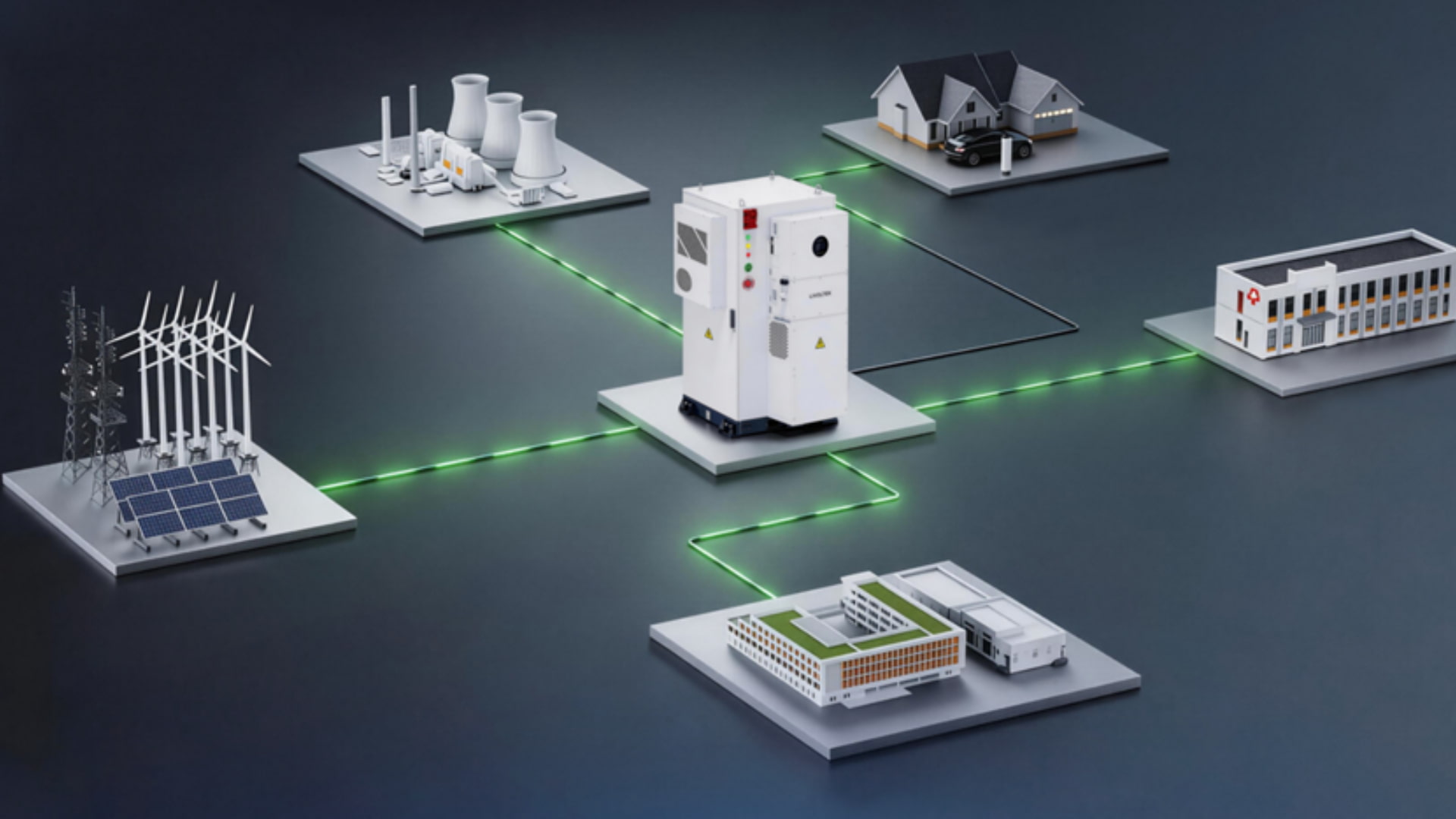
In the past, string-level monitoring, active disconnection, and refined DC-side protection were more commonly applied in large ground-mounted power plants. However, in small and medium-sized C&I energy storage scenarios, safety is equally critical and even more closely connected to daily business operations.
Factories require continuous production, supermarkets need stable operation, charging stations depend on high-frequency usage, and industrial parks must coordinate the dynamic interaction between PV, energy storage, loads, and the grid. Any unplanned shutdown or electrical safety incident may lead to direct economic losses.
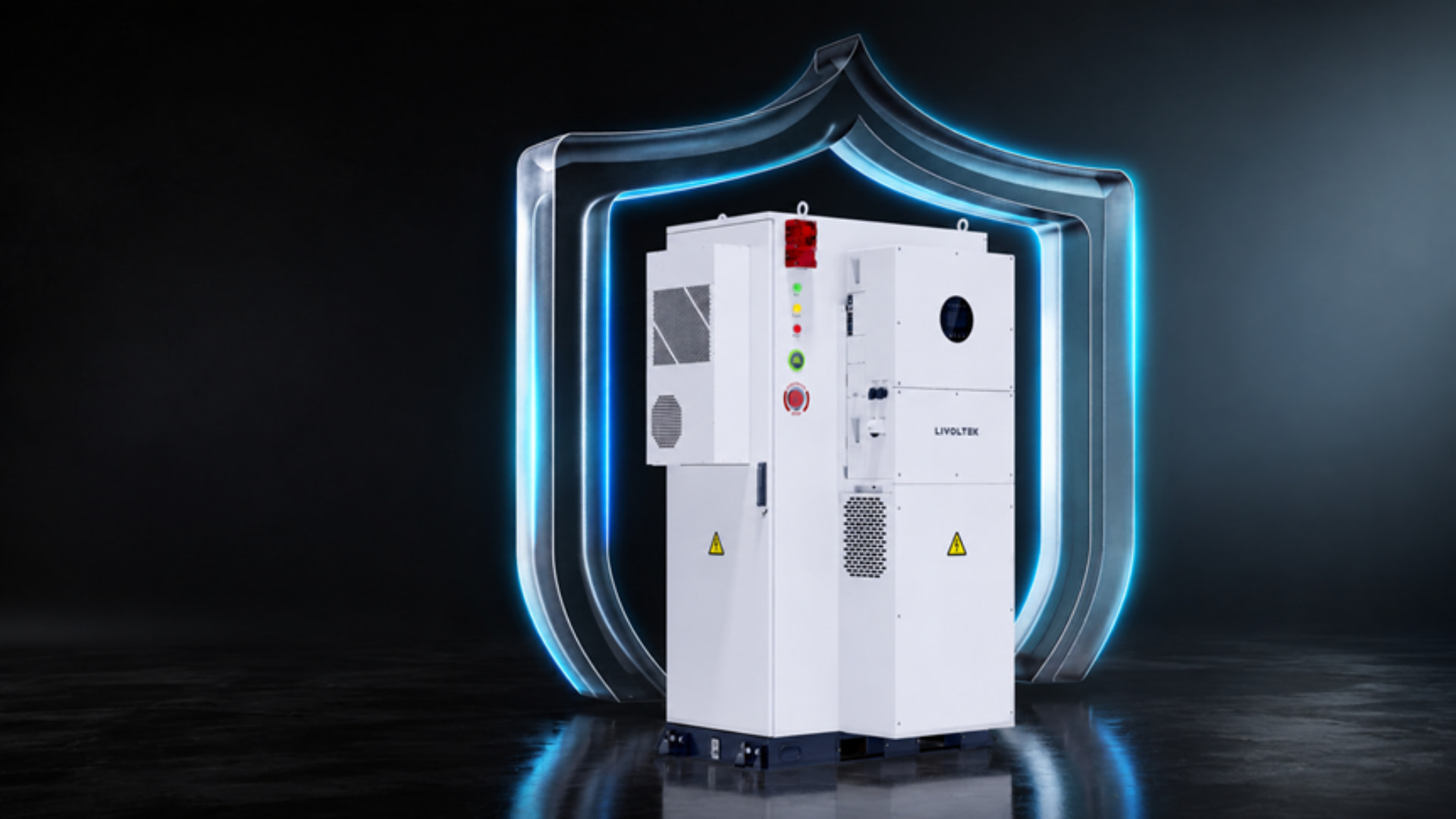
LIVOLTEK integrates utility-scale power plant-level active safety capabilities into the LuminBlock H Series, enabling small and medium-sized C&I energy storage projects to achieve a higher standard of DC-side protection. This helps users move from “post-incident handling” to “early warning” and “rapid isolation.”
A Safer System Is a More Reliable Energy Asset
Through Intelligent String-level Disconnection, AFCI arc fault detection, terminal temperature detection, DC isolation, and multiple layers of short-circuit protection, the LuminBlock H Series builds an active safety line of defense from PV to energy storage.
This reflects LIVOLTEK’s understanding of safety for small and medium-sized C&I energy storage: it is not simply about adding more protection devices, but about enabling the system to sense, judge, and act. While creating energy value, the system supports safer, smarter, and more reliable long-term operation.