Blog
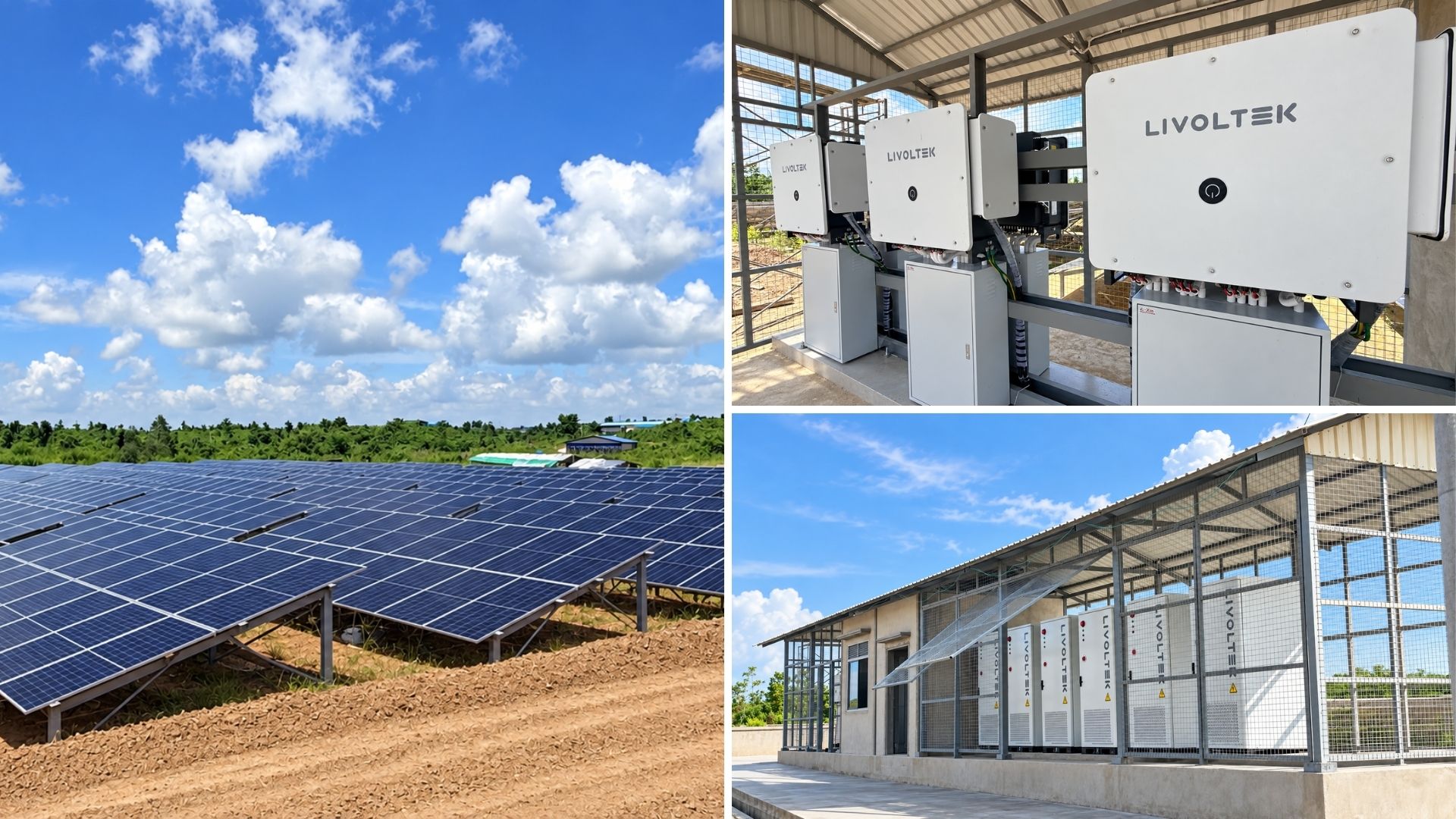
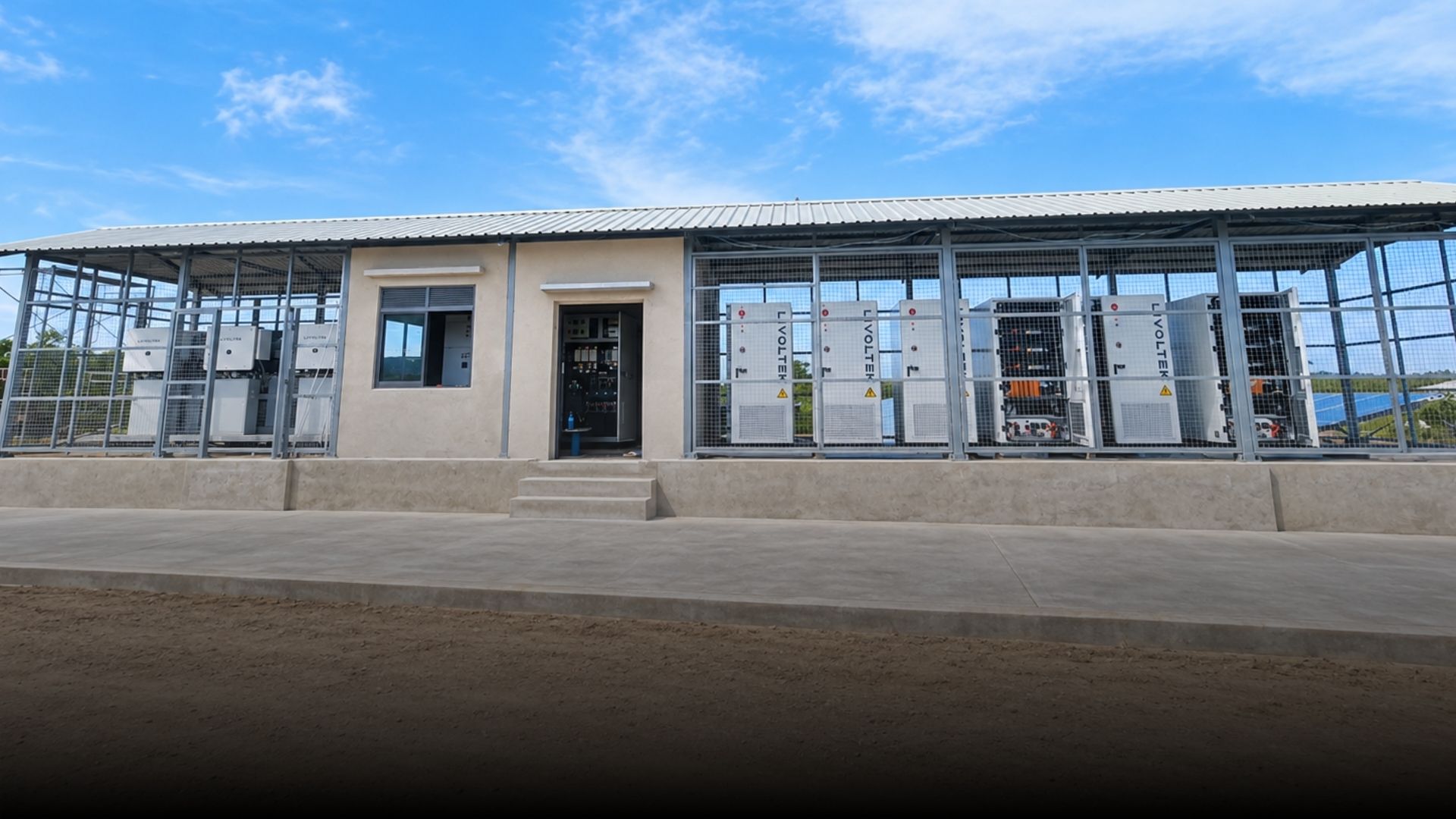
မြန်မာနိုင်ငံ Taikkyi (တိုက်ကြီး)မြို့ ရှိ ကြက်မွေးမြူရေးခြံတစ်ခုတွင် ဒေသခံမဟာဓာတ်အားလိုင်း၏ မီးအားအရည်အသွေးနှင့် Transformer စွမ်းရည်မလုံလောက်မှုကြောင့် ပုံမှန် Grid ချိတ်ဆက်အသုံးပြုခြင်းထက် Off-grid စနစ်ကို ရွေးချယ်ခဲ့ ပါတယ်။ LIVOLTEK သည် 957.6 kWp Solar PV၊ 750 kW / 1,566 kWh BESS နှင့် Diesel Generator ကို ပေါင်းစပ်ထားသော Hybrid Microgrid ဖြင့် ကြက်မွေးမြူရေးအဆောက်အအုံ ၂ ခုအတွက် 24 နာရီ လျှပ်စစ်ဓာတ်အားပေးနိုင်ရန် စနစ်တည်ဆောက်ပေးခဲ့ပါတယ်။
At a chicken farm in Taikkyi, unreliable grid conditions made a conventional utility connection impractical. LIVOLTEK deployed a 957.6 kWp solar system, 750 kW / 1,566 kWh of battery storage, and diesel backup to create a local off-grid microgrid for two poultry houses.
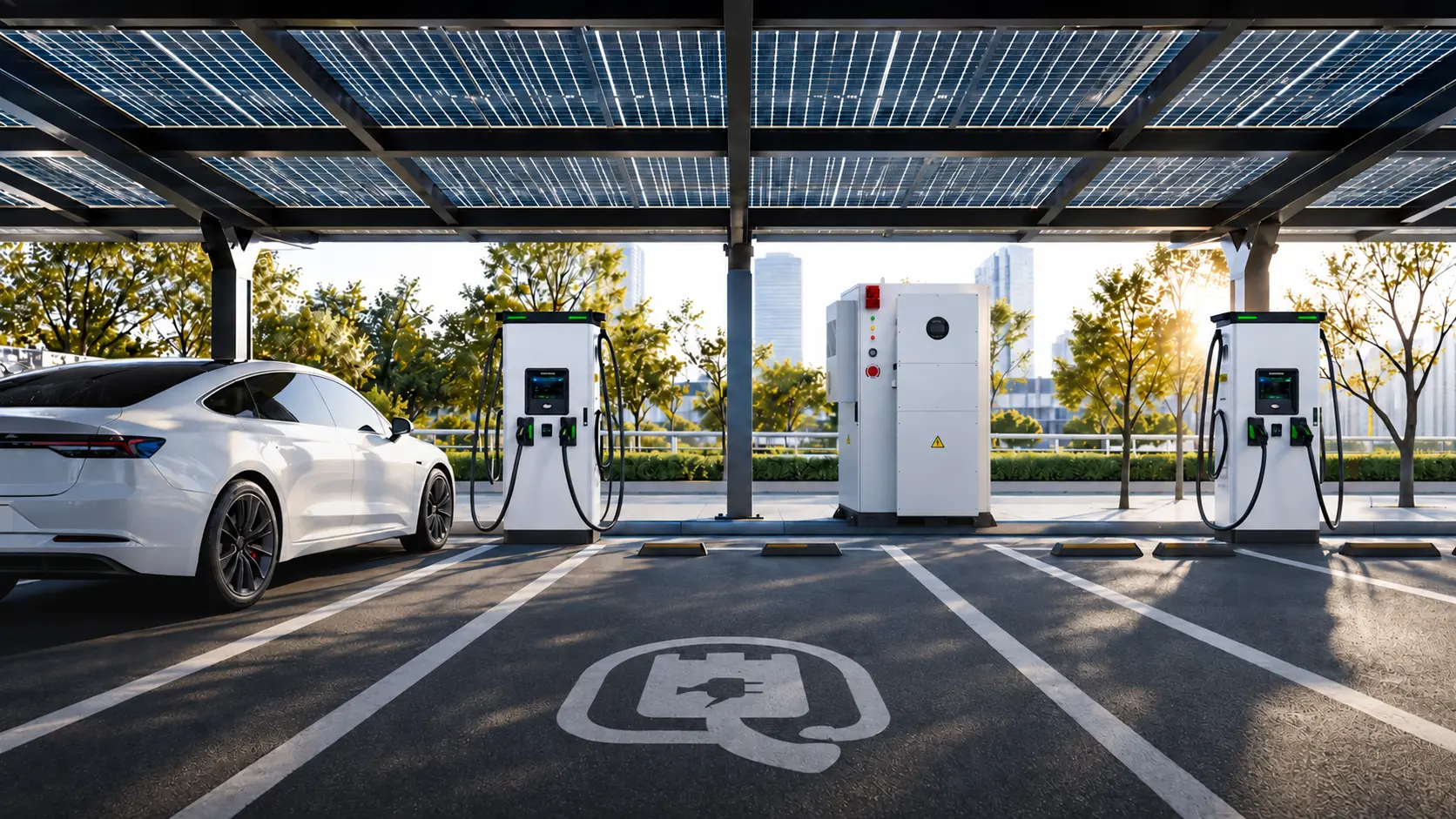
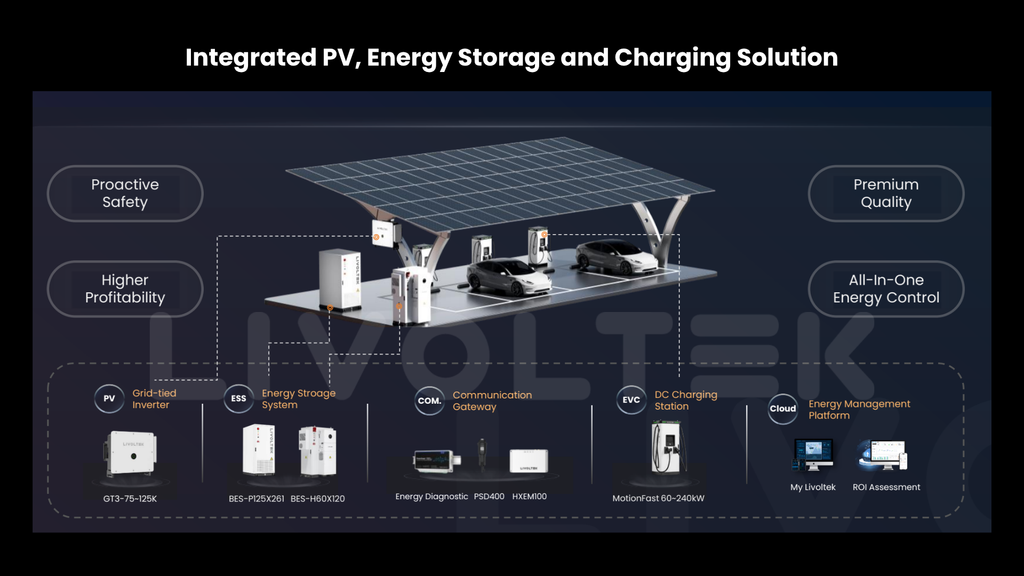
The business case for an EV charging station depends on more than the price of each kilowatt-hour. Solar, battery storage and intelligent control can help operators manage the costs that are often hidden behind the electricity bill.
As electric vehicle charging sites grow, installing more chargers is only part of the challenge. Operators must also confirm that the site has enough electrical capacity, control peak demand, use renewable energy effectively and coordinate equipment from different energy subsystems.
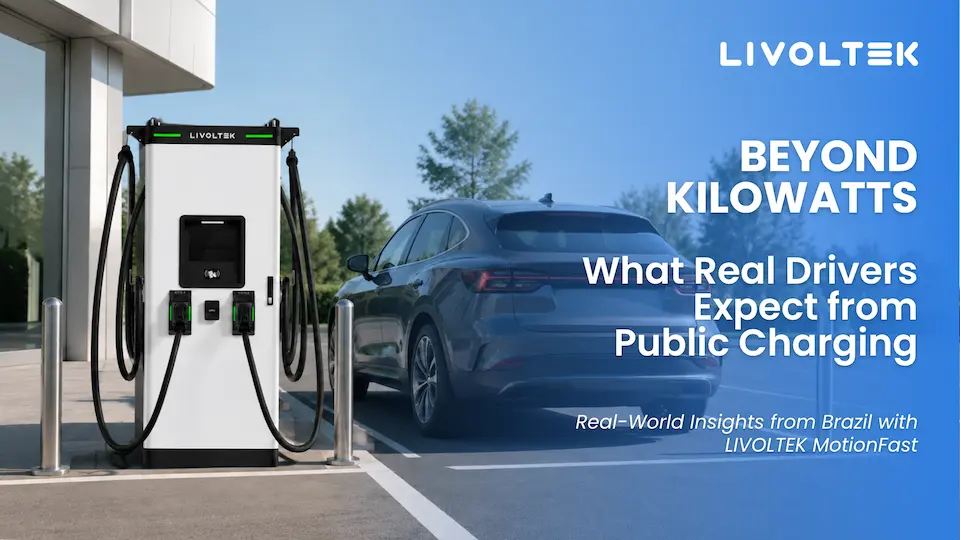
Real-world feedback from public charging sites equipped with LIVOLTEK MotionFast in Brazil offers a useful perspective. It shows what drivers value, what creates frustration, and what public charging infrastructure must deliver as electric mobility expands worldwide.
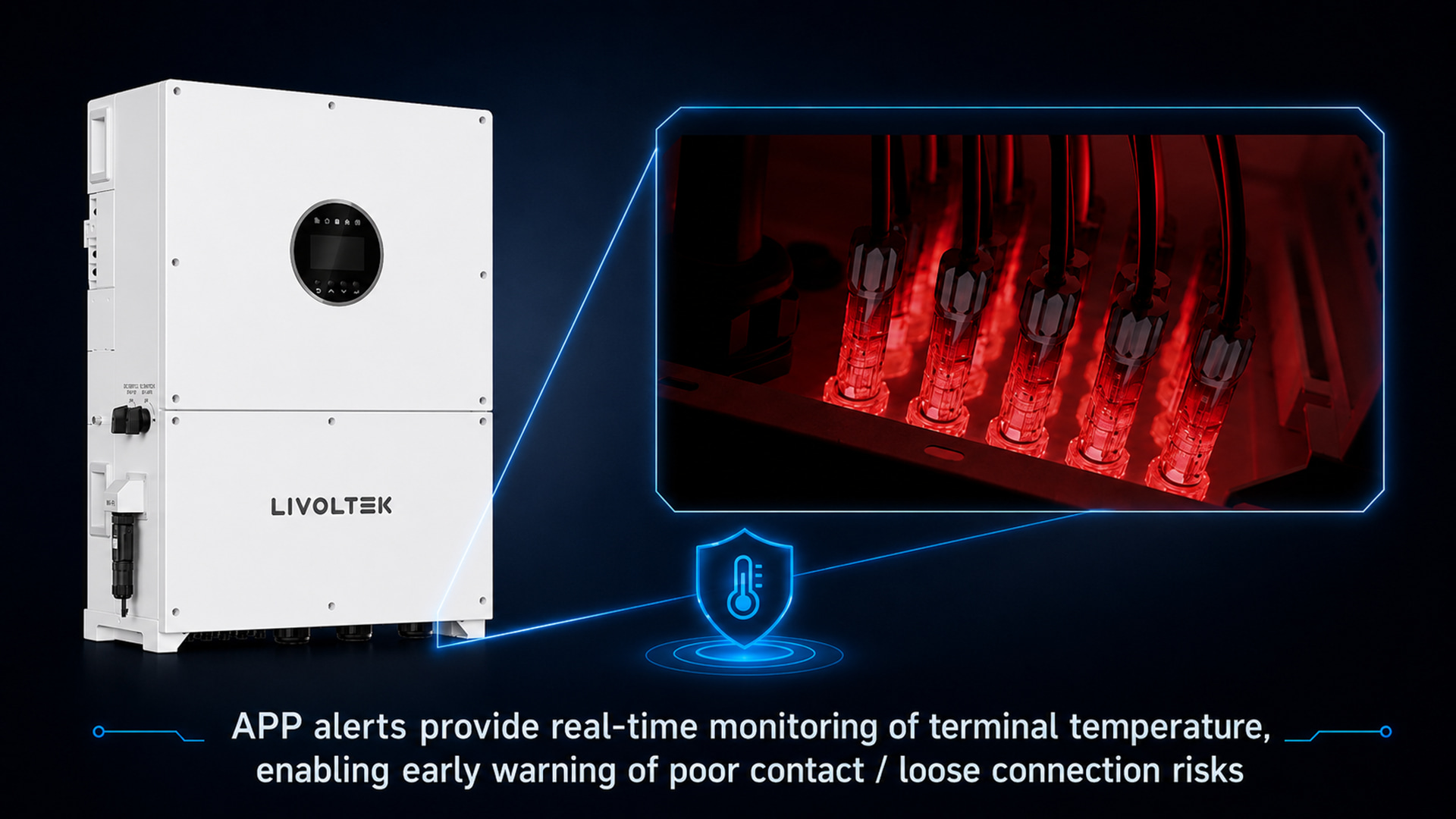
Livoltek LuminBlock H Series detects PV terminal over-temperature early to reduce DC-side risks, ensuring safer C&I PV-ESS systems with proactive thermal monitoring.